Table of Contents
ToggleBest Foods for Ulcer Patients: What to Eat and Avoid for Faster, Safer Healing
Meta Description:
Discover a complete, practical guide to the best foods for ulcer patients, including what to eat, what to avoid, and how to build a diet that actively supports healing. Learn how specific foods affect your stomach, which nutrients help repair the gut lining, and how to reduce irritation using simple, everyday choices.
Backed by science and real-world dietary strategies, this guide goes beyond basic advice to show you how to use food as a powerful tool for recovery. From soothing, easy-to-digest meals to habits that protect your stomach over time, you’ll gain the knowledge and confidence to support natural healing and improve your overall digestive health.
URL Slug: best-foods-for-ulcer-patients-guide
Introduction
Living with a stomach ulcer can make everyday eating feel like a challenge instead of something you enjoy. What used to be simple—having a regular meal or grabbing a quick snack—can suddenly become uncomfortable. The burning sensation, post-meal pain, bloating, and occasional nausea can leave you constantly second-guessing your food choices and worrying about what might trigger your symptoms next.
But here’s what many people don’t realize: your diet has a powerful influence on your healing process.
The foods you choose can either irritate your stomach lining and prolong your discomfort, or they can soothe inflammation, reduce pain, and actively support recovery. In other words, your daily meals can work against you—or become one of your strongest tools for healing.
Focusing on the right foods for ulcer patients is one of the most practical and effective ways to take control of your condition. While medications prescribed by your doctor are important for treating the underlying cause, your diet plays a major role in how quickly your stomach heals and how comfortable you feel along the way.
This guide is designed to clear up confusion and give you clear, actionable direction. Inside, you’ll discover:
- The most effective foods that help soothe the stomach and promote faster healing
- Common trigger foods that can worsen symptoms and delay recovery
- A simple, realistic meal plan you can start following immediately
- Easy, practical tips to protect your stomach and prevent flare-ups
If you’ve ever felt unsure about what’s safe to eat—or frustrated by conflicting advice—this guide will give you the clarity, confidence, and structure you need to make better food choices and support your healing journey.
What Is an Ulcer and Why Your Diet Matters
A peptic ulcer is an open sore that forms in the lining of your stomach or the upper part of your small intestine. It usually develops due to:
- Infection from Helicobacter pylori (H. pylori)
- Frequent use of nonsteroidal anti-inflammatory drugs (NSAIDs)
- Excess production of stomach acid
While food itself doesn’t directly cause ulcers, it strongly influences symptoms and the speed of healing.
According to research from the National Institute of Diabetes and Digestive and Kidney Diseases, dietary choices can help reduce irritation and support the body’s natural repair process:
https://www.niddk.nih.gov/health-information/digestive-diseases/peptic-ulcers-stomach-ulcers
In simple terms, the right foods soothe, while the wrong foods aggravate.
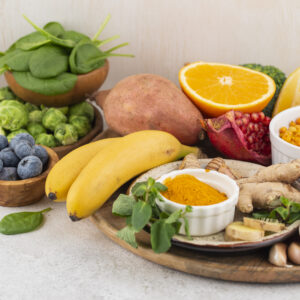
Best Foods for Ulcer Patients (What to Eat Daily)
When selecting foods for ulcer patients, the goal is to reduce acid irritation, support gut health, and promote tissue repair.
1. High-Fiber Foods: The Foundation of Gut Health
Fiber plays a vital role in digestion and may even help reduce the risk of ulcers.
Why it helps:
- Supports healthy digestion
- Encourages beneficial gut bacteria
- May lower stomach acidity over time
Best high-fiber options:
- Oatmeal
- Brown rice
- Whole wheat bread
- Apples and pears
- Carrots and broccoli
Research from Harvard Health highlights that diets rich in fiber are linked to better digestive health and lower ulcer risk:
https://www.health.harvard.edu/diseases-and-conditions/ulcers-and-your-diet
2. Probiotic Foods: Restoring Balance in Your Gut
Probiotics are beneficial bacteria that help fight harmful microbes like H. pylori.
Benefits:
- Improve gut balance
- Support immune response
- Enhance the effectiveness of ulcer treatment
Top probiotic foods:
- Yogurt with live cultures
- Kefir
- Fermented vegetables like sauerkraut
Scientific studies show probiotics may help reduce ulcer severity and improve healing outcomes:
https://www.ncbi.nlm.nih.gov/pmc/articles/PMC3601687/
3. Antioxidant-Rich Fruits: Natural Protection
Fruits packed with antioxidants help combat inflammation and protect stomach tissues.
Best fruits for ulcer patients:
- Bananas (especially soothing)
- Apples
- Blueberries and strawberries
- Papaya
Bananas are particularly beneficial because they help form a protective layer over the stomach lining.
4. Lean Proteins: Supporting Tissue Repair
Protein is essential for healing damaged stomach tissues, but it should be easy to digest.
Ideal protein sources:
- Skinless chicken
- Turkey
- Fish (like salmon and tuna)
- Eggs (boiled or poached)
Avoid heavy or fried protein sources, as they can increase acid production.
5. Healthy Fats: Reducing Inflammation
Not all fats are harmful. The right fats can actually support healing.
Healthy fat sources:
- Olive oil
- Avocados
- Nuts (in moderation)
These fats help reduce inflammation without irritating the stomach.
6. Gentle Vegetables: Nutrient Powerhouses
Vegetables provide essential vitamins and minerals, but should be low in acidity.
Best choices:
- Spinach
- Kale
- Cabbage
- Zucchini
- Sweet potatoes
Cabbage, in particular, has been traditionally used to support ulcer healing due to its natural compounds.
7. Honey: A Natural Soothing Agent
Raw honey contains antibacterial properties that may help combat H. pylori.
Research supports its potential healing effects:
https://www.ncbi.nlm.nih.gov/pmc/articles/PMC3609166/
Foods to Avoid for Ulcer Patients
Avoiding trigger foods is just as important as eating the right ones.
1. Spicy Foods
- Chili peppers
- Hot sauces
These can irritate the stomach lining and worsen pain.
2. Highly Acidic Foods
- Citrus fruits (oranges, lemons)
- Tomato-based products
They increase acidity and may cause discomfort.
3. Fried and Greasy Foods
- Fast food
- Deep-fried snacks
These slow digestion and stimulate excess acid production.
4. Caffeine and Stimulants
- Coffee
- Energy drinks
- Strong tea
Caffeine can increase stomach acid and irritate ulcers.
5. Alcohol
Alcohol weakens the stomach lining and delays healing.
6. Carbonated Drinks
- Soda
- Fizzy beverages
They cause bloating and increase discomfort.
Comparison Table: Foods to Eat vs Avoid
| Food Group: | Recommended Choices, | Foods to Avoid |
|---|---|---|
| Fruits | Bananas, apples, berries | Oranges, lemons |
| Vegetables | Spinach, cabbage, carrots | Tomatoes |
| Protein | Chicken, fish, eggs | Fried or processed meats |
| Drinks | Water, herbal tea | Coffee, alcohol, soda |
| Grains | Oats, brown rice | Refined white bread (excess) |
Sample 1-Day Meal Plan for Ulcer Patients
A simple, balanced plan using safe foods for ulcer patients:
Breakfast
- Oatmeal topped with banana slices
- Warm herbal tea
Mid-Morning Snack
- Yogurt with a teaspoon of honey
Lunch
- Grilled chicken breast
- Brown rice
- Steamed vegetables
Afternoon Snack
- Apple slices
Dinner
- Baked fish
- Mashed sweet potatoes
- Sautéed spinach
Practical Tips to Heal Ulcers Faster
Eat Smaller Meals More Frequently
- Large meals increase stomach pressure
- Aim for 5–6 smaller meals daily
Chew Slowly and Thoroughly
- Improves digestion
- Reduces strain on your stomach
Avoid Late-Night Eating
- Give your stomach time to rest and repair
Stay Hydrated
- Water helps maintain a healthy digestive system
Identify Your Personal Triggers
- Keep a food journal
- Track what causes discomfort
Real-Life Example
James, a 40-year-old teacher, had grown weary of the constant burn and discomfort caused by his stubborn ulcer. Mealtime, once a simple pleasure, had become a source of anxiety. Determined to reclaim control over his health, he decided to focus on a diet tailored specifically for ulcer relief.
He started with small but powerful changes: swapping his morning coffee for calming herbal teas, replacing heavy fried foods with lighter grilled options, and adding a daily dose of yogurt and fresh, juicy fruits. These simple adjustments soon began to make a difference.
Within three weeks, James noticed a significant reduction in his symptoms. The relentless pain that once shadowed his day became manageable, his digestion improved, and for the first time in months, he felt confident in his ability to support his own well-being. The changes weren’t just about food—they were a step toward taking back his life.
How Long Does It Take to Heal?
Healing time varies depending on severity:
- Mild ulcers: 2–4 weeks
- Moderate to severe ulcers: 6–8 weeks or longer
Diet alone isn’t enough—you should always follow medical advice—but it greatly enhances recovery.
Common Mistakes to Avoid
- Skipping meals (increases acid buildup)
- Ignoring trigger foods
- Relying only on medication
- Drinking coffee on an empty stomach
Frequently Asked Questions
Is milk good for ulcers?
Milk is often seen as a quick relief option because it can temporarily coat the stomach lining and reduce the burning sensation associated with ulcers. However, this relief is usually short-lived. After the initial soothing effect, milk can actually stimulate the stomach to produce more acid, which may worsen symptoms over time.
If you choose to drink milk, it’s best to do so in moderation and pay attention to how your body reacts. Some people tolerate small amounts well, while others may notice increased discomfort. Low-fat or plant-based alternatives may also be gentler options for some individuals.
Can I eat bread?
Yes, bread can be a safe and helpful part of your diet—especially when you choose whole-grain varieties. Whole-grain bread is rich in fiber, which supports digestion and helps maintain a healthier gut environment. It’s also generally gentle on the stomach and unlikely to trigger irritation when eaten in moderate portions.
That said, it’s best to avoid heavily processed white bread or breads high in sugar and additives, as they offer less nutritional value and may not support healing as effectively.
Does stress affect ulcers?
Yes, stress plays a significant role in how ulcers feel and how quickly they heal. While stress itself doesn’t directly cause ulcers, it can make symptoms worse by increasing stomach acid production and affecting digestion.
Chronic stress may also weaken your body’s ability to repair the stomach lining, which can delay healing and make flare-ups more frequent. Managing stress through simple practices—such as relaxation techniques, regular sleep, and physical activity—can make a noticeable difference in both symptom control and recovery speed.
Conclusion
Managing ulcers becomes far more manageable when you truly understand the connection between what you eat and how your body responds. Food is not just fuel—it directly influences your stomach environment. By consistently choosing the right foods for ulcer patients, you can calm irritation, reduce discomfort, strengthen your stomach lining, and create the ideal conditions for faster, more effective healing.
The key to seeing real improvement lies in consistency, not perfection. It’s the small, repeated choices you make every day that shape your recovery. Simple swaps—like choosing oatmeal instead of fried foods, drinking water or herbal tea instead of soda, or adding more vegetables to your meals—may seem minor, but over time, they have a powerful cumulative effect.
Healing doesn’t happen overnight, but with steady, mindful decisions, your body gradually becomes less inflamed, more balanced, and better equipped to repair itself. Stay committed to these habits, and you’ll begin to notice not just reduced symptoms but an overall improvement in how you feel daily.
Final Thought
Healing goes far beyond simply getting rid of discomfort—it’s about building the right internal conditions that allow your body to restore and strengthen itself naturally. True recovery happens when your digestive system is supported, protected, and given the nutrients it needs to repair damaged tissues over time.
Every time you eat, you’re making a choice that directly impacts your healing journey. The foods you choose can either aggravate your stomach lining and slow down recovery, or they can soothe inflammation, promote balance, and accelerate healing. When you become more intentional about what you eat—paying attention to how your body responds—you begin to regain control. Not just over your diet, but over your energy levels, your comfort, and your long-term health.
You don’t need to overhaul everything overnight. Start with small, manageable changes—choosing gentler foods, eating at regular intervals, and avoiding known triggers. Over time, these simple habits build consistency, and consistency is what drives real results.
Trust the process. Healing may not always be immediate, but your body is constantly working behind the scenes to repair itself. When you support it with the right foods, habits, and patience, you create the foundation for lasting wellness.